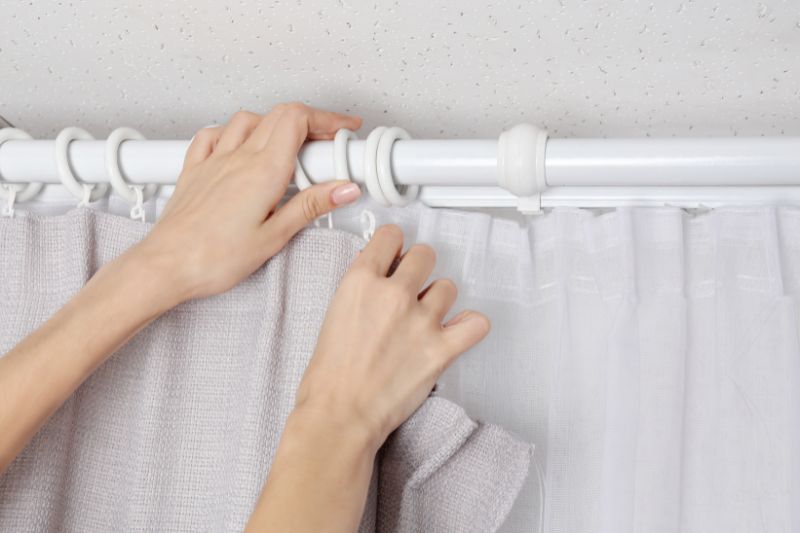
Curtains are an integral element of household design, offering both visual appeal and utility. However, with time, they can accumulate dirt, stains, and allergens like animal fur and skin flakes. This buildup not only detracts from the aesthetic of your curtains but can also negatively impact indoor air quality, potentially leading to respiratory problems and allergic reactions. Dust mites, mold, and mildew can flourish in unclean curtains, making appropriate maintenance essential for both sanitation and health.
When it comes to drape maintenance, picking the appropriate washing method is critical. The options usually revolve around laundering, dry cleaning, or hot water cleaning, each with its own set of pros and drawbacks. This manual aims to provide insights into the most effective curtain cleaning methods, helping you choose how to efficiently remove dust and stains while preserving the longevity and appearance of your drapes. Whether you are battling persistent fungi or simply looking to refresh your living space, understanding these methods will make curtain maintenance simpler and more efficient.
Grasping the Importance of Window Treatment Maintenance
Caring for tidy curtains is essential for not only aesthetic attractiveness and total sanitation in your house. Drapes can collect dirt, soil, and stains over time, which can detract from their appearance and the ambiance of your space. Consistent cleaning contributes in protecting the fabric and keeping your interior appearing vibrant and vibrant. Additionally, tidy drapes enhance the indoor environment by stopping the buildup of irritants that can trigger breathing problems, such as asthma.
Unclean curtains often contain filth mites, skin flakes, animal hair, mold, and mold growth, all of which can influence your health and wellbeing. These contaminants can cause allergies and respiratory issues, making it critical to create a routine cleaning strategy. By keeping your drapes neat, you are not only guaranteeing a visually appealing environment but also supporting a more sanitary indoor environment for you and your family.
In conclusion, understanding the best curtain cleaning method is key to maintaining their longevity and effectiveness. Diverse materials may necessitate specific methods, whether it is laundering, dry cleaning, or using a steamer. Knowing of how to correctly care for your curtains not only assists in eliminating dust and stains but also minimizes the risk of harm to the fabric, ensuring they remain aesthetic and usable for many years to come.
Common Washing Strategies for Window Treatments
Concerning maintaining fresh window treatments, there are various approaches to choose from. Washing drapes is a common approach, as it allows for a complete wash at home. Many machine-washable textiles can withstand a delicate cycle, which will thoroughly clear away dirt, stains, and allergens such as pet dander, dead skin cells, and dust mites. This strategy is often simple and cost-effective, permitting residents to refresh their curtains frequently.
Dry-cleaning is another standard method for cleaning drapes, especially for textiles that are fragile or require special care. This cleaning process uses chemical solvents instead of water, which can preserve the feel and color of the material while efficiently getting rid of mildew, mildew, and various contaminants. While it may be costlier than doing it yourself, the chemical cleaning method can prolong the longevity of specific curtain materials and sustain their aesthetic.
Steam cleaning provides a alternate option for maintaining the cleanliness of curtains. This technique uses hot steam to kill fungi, bacteria, and contaminants, improving indoor air cleanliness. Steam-cleaning is particularly effective for window treatments that should not be laundered or dry cleaned because it disinfects without soaking the material, minimizing the risk of harm. This method can be convenient for frequent upkeep, ensuring that grime and marks do not build up, which is important for individuals who suffer from asthma and breathing issues.
Pros and Disadvantages of Each Cleaning Method
Washing curtains is often the easiest way for numerous homeowners. One of the key advantages of washing is that it effectively cleans off dust and stains, making curtains look fresh and clean. This method can also remove allergens like dust mites, pet dander, and dead skin cells, which can enhance indoor air quality and hygiene. However, some fabrics are machine washable. curtain cleaning kl may contract, fade, or become damaged, leading to potential issues with the appearance and longevity of the curtains.
Dry cleaning is a popular option for those with expensive or delicate fabrics that can't withstand a washing machine. It utilizes unique solvents to clean the fabric without water, making it secure for fragile materials. This method is effective in removing mold, mildew, and even stubborn stains. On the downside, dry cleaning can be more costly than washing, and the chemicals used may not be ideal for households concerned with respiratory problems or asthma. Additionally, there can be a longer wait time for finishing, as the curtains need to be taken to and retrieved from a professional cleaner.
Steam cleaning is gaining popularity as a technique that provides a thorough clean without the strong chemicals associated with dry cleaning. This method can successfully remove dust, fungi, and allergens while refreshing the fabric. Steam cleaning also helps in reducing wrinkles, making it a great option for maintaining the curtains' appearance. However, it may not remove all stains as well as washing or dry cleaning. Moreover, improper use of steam can harm certain fabrics or cause water spots, so some care is required when using this method.
Impact on Indoor Air Standards and Well-being
Washing your window treatments is vital for upholding a healthy interior environment. Over the years, dust, allergens, and other pollutants such as pet dander and dead skin gather on window treatments, adversely affecting atmospheric standards. When curtains are not regularly washed, these elements can circulate in the atmosphere, contributing to respiratory issues like allergic reactions and other health problems.
Multiple washing methods can have diverse impacts on the existence of fungi and mildew. Washing curtains aids remove dust mites and other allergens thoroughly, lowering the risk of indoor air contamination. On the other hand, dry wash may not get rid of all contaminants as thoroughly, while steam cleaning can kill mold and spores but may not be appropriate for all materials. It’s important to choose a method that fits your curtains while still maintaining cleanliness.
Routine maintenance not only makes your drapes appear fresh but also significantly improves indoor air standards. By removing dirt, spots, and irritants, you establish a healthier environment. This proactive method can result in significant health improvements, including less allergy attacks and a reduction in breathing difficulties, leading to total better well-being for you and your loved ones.
Best Methods for Ongoing Curtain Care
To ensure the tidiness and longevity of your curtains, ongoing care is essential. Begin by cleaning your curtains every several weeks using a gentle brush attachment on your vacuum cleaner. This helps to get rid of dust and allergens that can build up on the fabric and may lead to breathing issues, notably for those with allergies. Be mindful to areas where dust mites and pet dander can lurk, ensuring that your indoor air quality remains clean and pleasant.
In addition to regular dusting, think about a deep cleaning schedule based on the environment. If you are in a damp area or have pets, steam cleaning your curtains every six months can aid remove mold, mildew, and any lingering odors. Use a soft cycle with light detergent if you choose to wash them, as strong chemicals can damage the fabric. Always check care labels before selecting a cleaning method to ensure you are protecting the material.
Lastly, check your curtains for any indicators of dirt or stains as they show up. Addressing stains promptly can prevent them from setting more difficult to remove. Additionally, examine for evidence of fungi or damage that could impact the fabric's integrity. Ensuring curtains in top condition not just boosts their visual appeal but also contributes to better hygiene and a healthier living environment.