

When it comes to keeping a wholesome home, we typically concentrate on cleaning the floors, surfaces, and soft furnishings, but a crucial element frequently is neglected: our window treatments. While they may seem as just decorative items, curtains can accumulate dust, dirt, and allergens that significantly influence our indoor air quality. Regular cleaning not only enhances their look but also is important in avoiding respiratory problems and maintaining overall hygiene within our homes.
Professionals suggest frequent curtain cleaning to address the collection of dust mites, pet dander, dead skin cells, and also the possible growth of mold and mildew. These substances can lead to various health issues, particularly for those with asthma or allergies. In this article, we will explore how frequently you should maintain your curtains, the best curtain cleaning methods, and tips for removing dust and stains, all aimed at ensuring you experience a healthier home setting.
Understanding Interior Air Quality
Indoor air quality is a essential element of sustaining a healthy living surrounding. It denotes the cleanliness and general caliber of the air within structures, which can be substantially influenced by various factors, including the presence of dust, allergens, and contaminants. One major contributor to poor interior atmospheric quality is soiled drapes, which can hold dust and spots, fungus and mildew, and deceased epidermis cells. These factors can greatly compromise sanitation and contribute to health problems, especially for individuals with respiratory issues or chronic respiratory conditions.
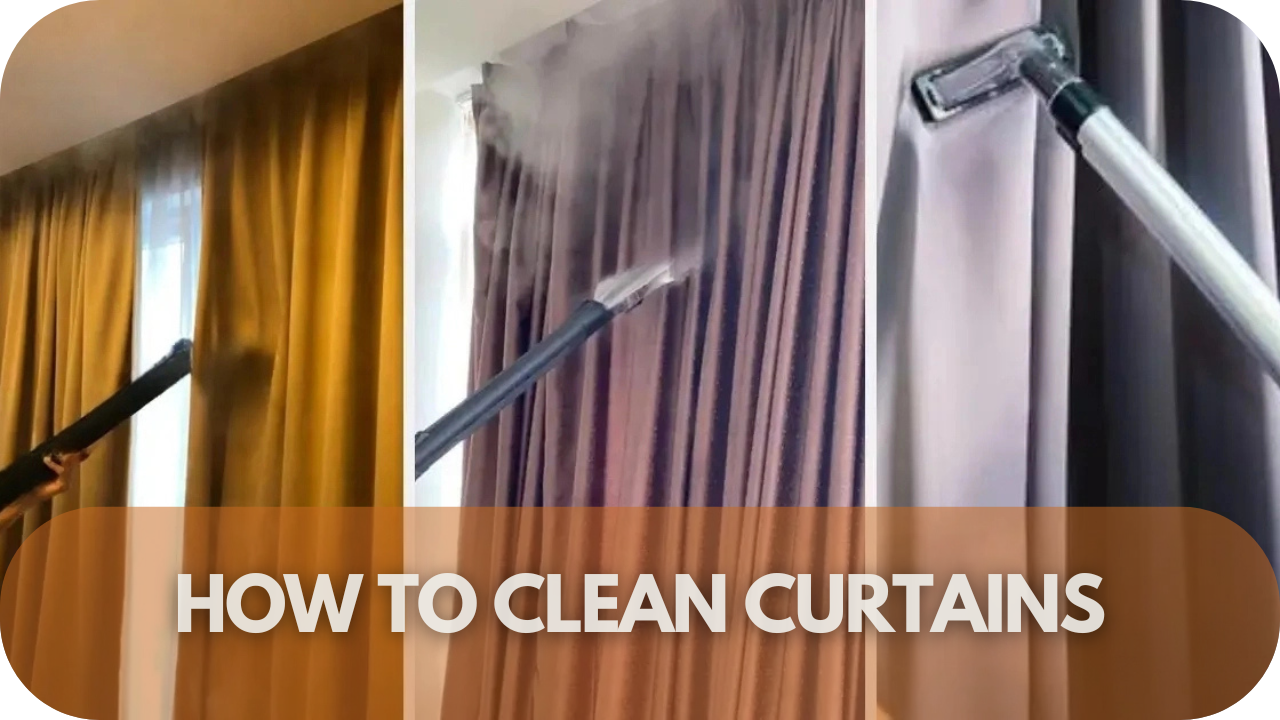
Drapes often serve as a filter for indoor air, capturing mites, pet hair, and other irritants. Over time, debris build up, resulting in a collection that can cause allergic reactions and exacerbate breathing conditions. Consistently cleaning curtain cleaning service can help remove these irritants and enhance atmospheric standards. By making sure that your home is free from dust and pollutants, you can establish a more comfortable and better environment for you and your family.
To attain optimal indoor air quality, it is crucial to adopt efficient cleaning practices. This includes using the best drape cleaning method that matches the fabric and design of your drapes. Establishing a schedule that includes washing curtains and eliminating dirt can significantly enhance your home’s atmospheric quality, making it a more wholesome place. Ensuring sanitation through appropriate curtain maintenance is a crucial measure in minimizing irritants and encouraging general wellness.
Common Sources of Allergens
Drapes can serve as a collector for multiple allergens that may impact your indoor air quality. Over time, they gather dust and stains, which include dust mites, skin flakes, and animal fur. These tiny particles can trigger allergic reactions and worsen respiratory problems, particularly for people with asthma. Routine cleaning of your curtains is essential to reduce these pollutants and promote a healthier living environment.
Another significant concern is the development of fungi and mold, which can flourish in damp environments. If curtains are not cleaned frequently, they can hold moisture and turn into breeding grounds for mold and mildew. This can lead to unpleasant odors and health risks, especially for those with respiratory sensitivities. Maintaining good hygiene by regularly washing your curtains helps eliminate these dangerous organisms.
Additionally, allergens can be brought into your home from the external environment. Pollen, smoke, and other pollutants can readily settle on your drapes, adding to the problem of indoor allergens. To keep air quality at its highest, it is crucial to implement efficient curtain cleaning methods that eradicate these unwanted particles, ensuring a cleaner and safer home atmosphere.
The Impact of Unclean Drapes
Soiled curtains can considerably weaken the hygiene of your home. Over time, they collect a range of contaminants, including dust and stains, dead skin cells, and allergens such as pet dander. These substances not only reduce the appearance of your space but also create a breeding ground for mites and other irritants. Without regular cleaning, these issues can aggravate lung conditions and contribute to overall subpar indoor air quality.
The presence of mold and mildew is another concern linked with soiled drapes. These spores thrive in wet conditions and can easily multiply on drapes that have not been cared for. Mold spores can become airborne, aggravating asthma and allergy symptoms for inhabitants. It is crucial to address these contaminants promptly to ensure a healthier living environment.
Furthermore, soiled drapes can significantly affect the overall air quality in your living space. As they gather dust and contaminants, they can release these harmful substances back into the air every time there is motion in the space. This pattern highlights the importance of routine cleaning, as maintaining tidy curtains is crucial for reducing allergens and ensuring optimal health for everyone in your living space.
Efficient Window Treatment Cleaning Techniques
When it comes to ensuring fresh and hygienic curtains, picking the right washing technique is important. One efficient method is regular washing, which can be performed based on the textile type. For launderable drapes, use a delicate cycle with cool water to stop contraction and hue fading. Incorporating a mild cleanser helps remove particles, stains, and triggers such as dust bugs and pet dander. For fine materials, consider hand washing to ensure they are washed gently, keeping their quality while still effectively removing dirt from them.
For curtains that can’t be laundered, using a vacuum is a wonderful substitute. Use a suction device with a brush to gently take away particles and body debris without causing damaging the material. This approach is particularly beneficial for frequently diminishing the buildup of irritants like fungus and mildew, which can aggravate breathing issues and asthma. Additionally, it is wise to vacuum every month to sustain good the quality of air inside and cleanliness.
If you are facing stubborn marks or mold, consider specialized cleaning services or tailored curtain cleaning solutions. Cleaning curtain cleaning service kl designed for materials can address certain concerns effectively, while experts have the knowledge to manage thorough washing and disinfecting. Regardless of the approach you choose, maintaining a routine care regimen will help ensure your drapes fresh and promote a more pleasant home setting.
Creating a Curtain Care Routine
Establishing a regular cleaning routine for your curtains is crucial to maintain a healthier living space environment. Ideally, you should aim to clean your window coverings roughly twice a year, based on multiple factors. If you live in an area with high dust levels, have pets, or have sensitivity, you may want to increase this interval. Frequent cleaning not only improves air quality but also extends the life of your drapes.
When it involves the actual cleaning method, knowing the most effective way to clean curtains is key. For washable curtains, a delicate cycle in cold water typically works well, just be sure to check the instructions for specific guidelines. For non-washable fabrics, consider professional cleaning or using a vacuum with an upholstery attachment to eliminate dust and allergens effectively. This helps prevent issues like mold and fungus, which thrive in moist environments.
Finally, keep your home's quality under control by monitoring the moisture levels in your home. Using a dehumidifier can help reduce moisture, which is beneficial for preventing mold and dust mites from settling in your curtains. By forming a regular routine, selecting the appropriate cleaning methods, and keeping optimal humidity levels, you can ensure your window treatments contribute positively to your living space’s hygiene and overall health.